Showing posts with label Food and Beverages. Show all posts

Monday, 17 January 2022

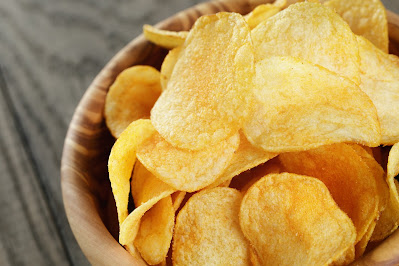
Potato Chips; Thin Slices of Potatoes That Have Either Been Baked or Deep-Fried Until Crunchy

Potato Chips Market


Potato chips are one of the most popular snack foods consumed across the globe. Potato chips are available in plain, cream and onion, barbecue, cheese, cheese, salt and vinegar, jalapeno, and many other flavors. They are not only eaten as savory snacks (a small serving of food that is spicy or salty but not sweet) but are also used as an ingredient in various dishes, such as taco salad, crusty chip mac and cheese, potato chips omelet, chips with tuna casserole, potato chip chicken, and other recipes. Something savory is full of flavor, delicious, and tasty.

Potato chips are thin slices of potato that have been either deep-fried or baked until crunchy. They are commonly served as a snack, appetizer, or side dish. Baked chips have been touted as healthy, as they are lower in fat, saturated fat, and calories than traditional potato chips, but baked chips contain less of the good stuff. As an occasional treat, baked chips can be part of a healthy diet. This is because generally baked potato chips do not contain nearly as much fat or as many calories as the fried version.

While, fried potato chips are one of the most popularly consumed snacks worldwide due to the taste and easy availability across the market. Fried potato chips do not contain healthy amounts of minerals and vitamins to help compensate for the high fat and salt content. However, the cooking process plays an important role in whether or not chips are good/bad for overall health. According to the American Cancer Society, potato chips contain the compound acrylamide which is created in high-starch foods when they're fried, roasted, or baked.

Potato chips are one of the most popular snacks in the United States. Lay's, Wavy Lays, Ruffles, Tostitos, Pringles, and Doritos are the most popular brands of chips in the U.S. In 2020, Lays remained the most popular brand of chips in the U.S., with whopping 59.9% share of America's potato chips industry.

Thursday, 13 January 2022

Pasta is one of the popular type of staple of Italian diets that provide significant amounts of nutrients

Pasta market


Pasta is a type of food made from an unleavened dough of wheat flour and water. It is typically formed into sheets and cooked either by boiling or baking. It is not real food, but rather an ingredient in many different recipes. It is a favorite food throughout the world. It is a staple of Italian diets. Horace describes the pasta as "lagana," or a fine sheet of fried dough. Although it is Italian food, it is popular around the world. It is a staple in the Italian diet and provides significant amounts of complex carbohydrates, proteins, and B vitamins. It is also very low in total fat, sodium, and amino acids. It is a great choice for people with a healthy lifestyle. It's a great way to get in shape with the Italian diet.

In order to make this food, semolina is first ground and separated from the bran. This produces a soft, elastic dough that can be molded into various shapes and varieties. It also has a high gluten content, making it a popular ingredient in a variety of recipes. Once the dough is prepared, it is processed through a continuous auger extruder, which uses a wide variety of dies to form a variety of noodles. The finished product is packaged for sale and has a shelf life of about three weeks.

Before it was widely eaten in the west, it was originally produced in Asia. It is believed that central Asia was the first place to produce pasta. Once the noodles reached the Mediterranean, they traveled westward. In the process of cooking, it was refined, and durum wheat became the flour of choice. Its high gluten content and long shelf life made it an ideal food to store. But despite its popularity and widespread availability, its nutritional value remains largely unchanged.

Mayonnaise: A Thick, Creamy Sauce Used In Many Restaurants and In Many Homes

Mayonnaise Market

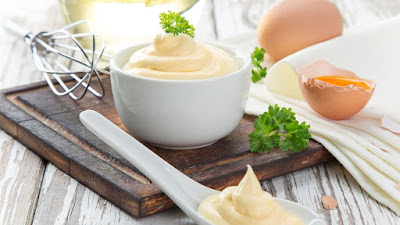
A thick, creamy sauce, mayonnaise is an essential staple of sandwiches, hamburgers, composed salads, and French fries. There are many different types of mayonnaise available. From light, eggless and whole egg varieties. Mayonnaise is typically made with soybean oil or vegetable oil. It is then mixed with lemon juice or vinegar to give it a flavor. The egg yolks are pasteurized to ensure freshness, and the Dijon mustard adds a tartness to the mix. A sweetener such as monk fruit is added to make the mixture more pleasant without adding any additional calories. This method also avoids the cool sensation that can sometimes occur when using sugar or agar.

The U.S. definition of mayonnaise suggests that the product requires egg. However, there are various egg-free alternatives for vegans and others who avoid eggs or cholesterol. Before making mayonnaise, it's important to make sure all ingredients are at the same temperature. You can heat up cold eggs in warm water before whisking them into a mixture. If you have a large food processor, use a smaller bowl attachment. The larger bowls will prevent emulsification and won't allow the yolks to contact the blade. If you want to make mayonnaise with less fat, simply skip the lemon juice.

The consistency of mayonnaise can vary from runny to thick. As more oil is added, it will start to thicken. A typical egg yolk holds about 3/4 cup to a cup of oil. Be careful not to use too much oil, as this will cause it to break. Once it has reached the consistency of pudding, add two to three tablespoons of olive oil or vinegar. You can also add salt and pepper to your taste, depending on the desired level of spiciness.

When making mayonnaise at home, it is important to remember that raw eggs should be kept refrigerated at all times. The yolks should be clean and intact. The egg whites should be at room temperature. If you are using the yolks, you should also make sure the yolks are thoroughly mixed. You can use the yolks or a mixture of them. This way, you can have the best of both worlds.

Wednesday, 12 January 2022

Whiskey Is One Of The Most Popular Alcoholic Beverages That Is Made In Different Types And Is Consumed All Over The World

Whiskey Market

Whiskey is a popular alcoholic beverage that is made from fermented grain mash. Different types are made from different types of grains. The mash is then aged in wood casks. Most whiskey is aged in old sherry casks, although it can also be aged in white oak casks. The process of making whiskey is very complex and involves several steps. For most varieties of whiskey, the aging process takes several years. While whiskey is commonly brewed as a beverage, it has a long and colorful history. Its name comes from the Gaelic word uisge, which means "water of life". It was originally used as a medicine, and was used as a digestive aid and anesthetic. Until the late fifteenth century, it was primarily used for medicinal purposes. It eventually made its way to the United States, and other countries.

The first step in the making of whiskey is the distillation process. This is a time-consuming and tedious process. During the fermentation, the ingredients are combined and poured into a large vessel. This vessel is called a mash cooker in the United States, and it is known as a mash tun in Europe. The mash will usually be kept in a barrel, and there will be heating and cooling elements to regulate its temperature. Each whiskey maker will have a unique recipe, which they refer to as a "mash bill." The mash bill will include the exact cooking and enzymes necessary to achieve the best results.

After the mash is prepared, the ingredients are mixed in a large vessel, called a mash cooker in the U.S. and mash tun in Europe. This cylindrical vessel will have an agitator to mix the ingredients, heating elements to cook the mash, and a cooling element to cool it down. Each whiskey maker follows a unique recipe, called a "mash bill." This method is highly complex, and requires attention to enzymes and cooking temperatures. Another way to drink whiskey is through a cocktail. The base liquor of the cocktail will lend the flavors and aromas of the liquor. Though flavored whiskeys are not common, they are still an excellent option when it comes to mixing cocktails. And when done properly, a simple cocktail made with a mash of whisky will taste incredible. That's why it's so popular. In fact, flavored whiskeys have become a part of everyday life.

There are many different types of whiskey. There are many different flavors that make it unique. Various types of whisky are best enjoyed in various types of beverages. This alcoholic drink can also be used as a base for other drinks, such as ice cream. Along with being a mixer, it can also be used to mix with other flavors and enjoy the flavor of a cocktail. There are different ways to drink whiskey. The first thing is to know that the mash is the most common form of whiskey. It can be consumed neat or with ice. Drinking it neat is the only way that to get a high-quality whiskey. 

Consumption of mushroom may reduce the risk of cancers as they are rich of antioxidants


mushroom market


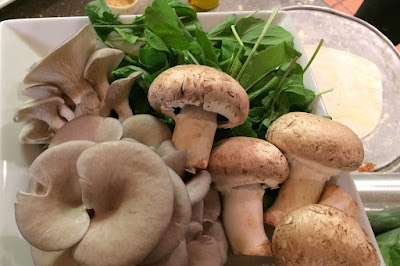
A mushroom is a fruiting body of a fungus. It bears spores. It normally grows above ground on soil or other food sources. Whether it is edible or not, it is a delicacy to be enjoyed by all.

The name is often associated with the white button one (Agaricus bisporus). However, this term is also used to describe all gilled fungi. The gills are located on the underside of the cap. When the spores mature, they send out hypha. The hyphae of two spawns begin the sexual process, and the new one are known as mushrooms. The spore is a single cell that can be produced by a mushroom. The spore is produced from two hyphae. This is the reproductive process of this fruit. A spore is produced when two or more hyphae grow together. This process requires special spore-producing cells that can last hundreds of years. The body of a fruit stores nutrients and other essential compounds and produces it when conditions are right.

While they are closely related to other fungi, they have special characteristics. Their structure allows them to produce and disperse spores. As single cells, the hyphae send out two hyphae that can mate with each other. Moreover, a mature spore can reproduce spores. The spawning process is a complex one and requires specialized cells in the hyphae.

Another benefit of this fruit is their high concentration of antioxidants. These compounds help the body eliminate free radicals, which are toxic byproducts of metabolism. When they build up in the body, they can cause oxidative stress, which can damage body cells and lead to various health problems. Some studies have also found that the presence of antioxidants and selenium in them can lower the risk of developing cancer. A good source of antioxidants is always a good thing.

Bottled Water Industry Continues To Expand Rapidly With The Launch Of New Products Every Week Across The Globe

Bottled Water Market

Bottled water is a convenient way to consume clean, healthy water. Bottled water comes in various sizes, from single serving bottles to carboys for water coolers. The convenience and affordability of bottled products make them a great choice for a variety of applications. However, when it comes to hydration, tap or filtered is always the best option. Along with being more environmentally friendly, bottled drinking waters contain no additives or preservatives.

Although tap water is not regulated by the FDA, bottled water is. This means that its quality is regulated by the province where it is produced. Other than regulating bottled drinking water, the FDA monitors bottled-water plant design, bottling processes, and record-keeping. Moreover, some provinces require companies to obtain a license from the FDA every year. For this reason, consumers should check if the water they are buying meets federal standards for safety. According to the Beverage Marketing Corporation, more Americans are drinking bottled water than any other packaged beverage. As a matter of fact, this is an encouraging development, as soda and other carbonated drinks have been declining for more than a decade. This has led industry watchers to predict that bottled water will be the next big thing in the beverage industry.

The industry of bottled water is expanding rapidly, and new products are launched every week. With the usual flavored waters, there are now even natural and sparkling waters. These new bottled beverages aren't just for the health conscious - they are also good for the environment. They are free of calories, sugar, and fat, and are a healthy alternative for the health-conscious. There are many different types of bottled water. Some are spring-water, mineral-water, and other types. The most common kind of bottled water is water from underground sources. Springs are naturally high in minerals, while mineral-water is extracted from a well. Neither type contains chlorine, nor does it contain any artificial additives. While mineral-water may be safer, it is still not as filtered as spring-water. In June 2021, Suntory Group revealed that the company is implementing a new Internet of Things (IoT) system at its bottled water plant in Nagono Prefecture in Japan, for speeding-up troubleshooting procedures at the plant.

Cheese Has Become One Of The Most Popular Foods Across The Globe That Can Be Used For Various Kinds Of Recipes


Cheese Market


Cheese is one of the most popular and versatile foods in the world. Made from milk, it has many different textures and flavors. The coagulation process changes the casein content of the milk protein. It contains fat and proteins found in the milk and is typically made from the milk of cows, buffaloes, goats, and sheep. It is a great food for all kinds of recipes and can also be used as a delicious snack.

Many types of cheese contain different amounts of acid to produce a rind. A rind is formed when bacteria are added to the milk during the production process. It can be soft, hard, or acidified. The exact method is determined by the type of cheese one is attempting to make. Some types of cheese are more acidic than others. Some are more acidified than others. Whatever method is used, the final product will contain more or less acid. The acidification process varies by type of cheese. Some are made with vinegar or lemon juice. While others are made without the addition of acid, a variety of semi-hard and hard cheeses are washed. Washing the rind encourages orange bacterium to grow on the surface, giving the cheese its distinctive flavor. Some examples of ripened cheeses are Vacherin and Epoisses, both of which are extremely popular.

Acidification affects the flavor and texture of cheese. It can be done by adding organic acid, lemon juice, or natural acidification from milk lactic acid bacteria. However, these methods are not consistent, and most acids are used in fresh, soft, and unpressed cheeses. The ripening process of cheese is crucial for obtaining the desired taste and texture. This is essential for making the cheese to be edible. The second stage is the ripening process of a cheese. The process of molding a cheese is important to ensure the highest quality. Depending on the desired shape and texture of the cheese, it can be molded into any number of shapes. In March 2021, DalterFood Group launched a new product, Cheese matchsticks, which is a unique cut on the market designed for giving guaranteed best results.

Brandy is a distilled beverage containing about 50% alcohol and is popular as a post-dinner drink


Brandy Market

Brandy is distilled wine. It has an alcohol content ranging from 35 to 60%.It is usually consumed as an after-dinner digestif. Some brands are aged in wooden casks to give them extra flavor and body. But what exactly is brandy? It is a wine with a distinct character and a rich history. Let's explore the many ways that brandy can be made. Here's a look at some of the most popular types.

First, brandy is an alcoholic beverage. It is typically produced from fermented fruit or wine. There are several types, each with their own distillation process and aging requirements. There are hundreds of different types of brandy, including rum, gin, pisco, and ugni blanc. In general, the highest quality brandy is considered to be pisco, but some varieties are made from more exotic ingredients. Many types of brandy are made from fermented fruit. Typically, the fruit is used to make wine. Some fruits can be sweet, bitter, or bitter. Its citrus, floral, and sour notes make it a great cocktail to serve with another cocktail.

Brandy is a low boiling point liquid obtained from the distillation of wine. It is most commonly associated with wine, but is also produced from peaches and apples. Today, the drink is consumed across the U.S. and is used in cocktails, baking, and cooking. Traditional cocktails often incorporate brandy as the base spirit. The word "brandy" comes from the Dutch word "brandewijn". This word refers to wine that has been distilled. The process of distillation can be done in many ways. Some brands use different techniques to distil the wine. For instance, a distiller may use a funnel to collect the wine in order to remove the sugar. Others use a filter to filter the alcohol. A typical brandy bottle has a glass of water.

Monday, 10 January 2022

Vodka is a colorless alcoholic drink with heart-friendly characteristics that increase blood circulation and lower cholesterol levels

Vodka Market

Vodka is an alcoholic beverage. Different varieties of vodka originated in Poland, Russia, and Sweden. They are clear, flavorless, and made from a mixture of water, ethanol, and impurities. The liquid is traditionally made by distilling fermented cereal grains. Unlike other spirits, vodka is a clear liquid made of fermented grains or grains and molasses. Generally, three ingredients are used to make vodka: water, malt meal, and yeast. The malt meal helps convert the grain's starch to sugar. The yeast enzymes help extract oxygen from the grain. The process begins by heating the grains with water and malt. The grains are then filtered and placed in a vat. Then, they're added to the mix with yeast.

Yeast is the key ingredient in the process of making vodka. Natural airborne yeasts were used in the early days of distillation, but today, commercial yeasts are used to ensure that the process goes smoothly. At the end of the production process, flavor additives are added to the alcohol content of the liquor. These flavors can range from herbs to fruits. Honey is often added to boost the mouth-feel and viscosity of the liquid, and it helps to reduce the ethanol alcohol attack.

The process of creating vodka is simple. About 70% of a bottle is water. The type of water can affect the flavor and mouth-feel of the drink. Many distilleries are situated in areas with a large supply of water. These distilleries prefer water that contains low salt levels and soft mash. With modern technology, the water can be demineralized without any effect on the final taste.

Although it is often considered a spirit, it is not a drink. Good vodka can be made from molasses, fruits, and vegetables. Its flavor is rich and refreshing. It can be served neat or over ice, and it is perfect for special occasions. Its unique flavor is a great way to celebrate the holidays. It's also a great addition to cocktails. In fact, many vodkas are made with sugar, which makes them the perfect alcohol to serve as mixers. For instance, in December 2021, Doghouse Distillery, a grain distillery company in the U.K., launched the first-ever chili bacon flavored vodka, prepared from Habanero chilies, at its London outlets.

Tequila is a low-sugar and carbohydrate-free distilled beverage that is prepared by fermenting the sugars of cooked blue agave plants

Tequila


Tequila is a distilled drink that is made from the blue agave plant, which is a type of cactus native to Mexico. The plant is grown in arid climates and is used to make the liquor. Tequila is made from the sugars in the blue agave plant. The agave plant's core is cooked, allowing the sugars to be extracted. The juice is then fermented, distilled, and aged. While whisky is aged for most of its life, tequila is distilled at a minimum of 3.6 percent. A high-quality tequila will have an even higher alcohol content than whisky.

The agave plant is the main source of tequila, and it's produced in the town of Tequila, in the state of Jalisco, Mexico. Its fibers and leaves were prized during the Colonial Era, and people used them to produce threads and paper. For instance, in December 2021, the Tequila Regulatory Council (CRT) reported that tequila production in Mexico increased by 117%, or around 487.5 million liters in 2021. The heart of the plant is edible, and it's distilled to make tequila. The best tequila is made with at least 25% agave spirit. Depending on the style of tequila, there are several options available for mixing with food. It can be used in punch bowls, margaritas, and tequila shots.

Tequila is traditionally drunk neat, with no salt added. In some regions, however, the fine tequila is accompanied by a side of spicy, sweet sangrita. Both of these drinks are served without salt, and are usually taken in equal shot glasses. A special cocktail called a bandera (the Mexican Flag) is also a popular tequila shot. Tequila is made from the sugars in the blue agave plant. The agave plant's core is cooked, allowing the sugars to be extracted.

The process of distillation involves fermenting agave juice. During the fermentation process, agave fibers are added to the vats, which creates a seal and traps aromatics. The agave liquid is distilled twice to achieve its 6% alcohol content. The resulting tequila is usually a clear, straw-colored liquor. It is typically aged for three years in oak barrels and must have a label that states it was produced in a licensed facility.

Grapefruit Is a Very Beautiful and Healthy Fruit, Which Helps In Relaxing Gastrointestinal Problems

Grapefruit

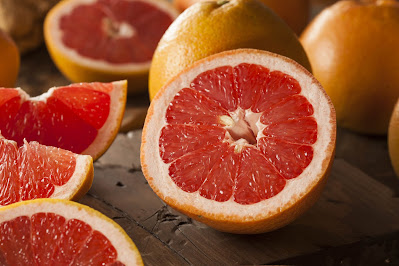
Grapefruit is consumed all over the world, especially in regions such as the US, UK, and Italy. The grapefruit is a citrus fruit, ranging in color from pale yellow to dark pink. The flesh is segmented and varies in taste and texture from firm to sweet. It is the most common citrus fruit to be eaten raw. In addition to its delicious flavor, it is excellent for baking and candies. To learn more about the fruit, read on. Here are some of the best ways to eat it. But first, what is a grapefruit?

The grapefruit is mostly water, with only 8% carbohydrates and 1% protein. It also has negligible fat, giving it a low-calorie count. The peel is safe to eat and contains many essential nutrients, including fiber and dietary fiber. To use the peel, scrub the grapefruit well and discard any dirt or seeds. In regions such as the U.S., the increasing prevalence of gastrointestinal issues has increased the consumption of grapefruit. For instance, according to GI Alliance, more than 20 million US residents suffer from several chronic digestive diseases.

A grapefruit contains almost 190% of the recommended daily intake of vitamin C. Vitamin C supports wound healing and helps the immune system. The National Institutes of Health Office of Dietary Supplements recommends that women aged 19 or older consume 75 milligrams of vitamin C each day. This means that one large grapefruit will contain 38 milligrams of vitamin C. Moreover, it contains a lot of fiber and antioxidants. It is therefore an ideal addition to any diet.

A large proportion of the fruit is water, which is the most important element for good health. When individuals are pregnant, grapefruit is a good choice to consume. The fruit can be stored in the refrigerator for up to two weeks, but consumers should eat it at room temperature for optimal flavor. To preserve the health benefits of grapefruit, it's best to eat it during its season. So, consumers should try to eat it whenever possible.

Wednesday, 5 January 2022

Pasta: Some Ways to Make the Staple Food of Italian Cuisine


Pasta Market

Pasta is a staple food of Italian cuisine typically made from wheat flour, water, and other ingredients. The unleavened dough is shaped into sheets, boiled, or baked, and then eaten. The most common type of pasta is spaghetti. Here are some ways to use pasta. First, you can make a basic tomato sauce. Next, add sauce to the dough. You can even mix sauce ingredients into your pasta! Once you have your basic sauce, you can now begin cooking!

When it comes to making pasta, there are a few different steps. The first step is to prepare the dough. It is important to work with flour, water, and eggs together to get a firm, elastic dough. A high-protein dough will be more elastic, and a low-fat dough will be smooth and elastic. Using a continuous auger extruder is ideal because it can be fitted with several dies to create different shapes. Once the dough has risen, it can be packaged for sale.

Once the dough has risen and cooled, it should be wrapped tightly in cling wrap and placed in the fridge for four hours. This will allow the flour to fully hydrate and the gluten strands to relax. This will result in a dough that is firm and elastic. You can store this uncooked dough in the fridge for up to four days, or freeze it for even longer storage. After resting, it will keep for several months.

The second step is to dehydrate the pasta. This step will prevent the egg germs from forming in the dough. Once the pasta is completely dehydrated, it can stay at room temperature for several weeks without any problems. You can also store the pasta in the fridge for a couple of days. After the pasta has thawed, you can cook it without thawing it first. As long as you use good quality, unpasteurized pasta will remain fresh for a very long time.

You can freeze pasta and dehydrate it in an airtight container. Then, it can be stored for several weeks. If it has been dehydrated, it will not contain egg germs. Once the pasta is fully dehydrated, it can be kept in the fridge for a few days, but it should be kept in the fridge. If you freeze the dried pasta, make sure it is dusted with flour before using it. Once the pasta is dry, it will be ready to cook.

There are many types of pasta available. Some are made of egg yolks and semolina. Others are batter-like. In this guide, we'll focus on egg yolk and semolina pasta. Once again, flour is the key to making pasta. Kneading flour with liquid helps the protein in the flour form gluten, which creates the characteristic stretchiness of the pasta.

Mayonnaise; a Dressing Made Chiefly of Egg Yolks, Vegetable Oils, and Vinegar or Lemon Juice

Mayonnaise Market

Mayonnaise is a thick, creamy sauce, or dressing commonly used on sandwiches, French fries composed salads, and hamburgers. Mayonnaise is usually a mix of vegetable oil and egg yolk, among other ingredients. Egg yolk has long been used as a natural emulsifier between the oil and water phases in mayonnaise and dressing. Eggs are a common ingredient found in majority of mayonnaise. The color varies from near-white to pale yellow, and its texture from a light cream to a thick gel. Mayonnaise is normally not vegan, because one of the crucial ingredients is eggs. But several brands of egg-free and dairy-free vegan mayonnaise can be found at most grocery stores, and at all-natural foods stores.

For starters, mayonnaise is made from raw egg yolks mixed with oil. Its texture is similar to yogurt and can be spread on sandwiches. The addition of seasonings and vinegar adds acidity to the mixture, and the mixture should be kept refrigerated until serving. The consistency of the mayonnaise depends on the ingredients used. Some brands may have a higher acidity than others. For people who are very particular about their food, a low-calorie version is available. To make eggless mayonnaise, simply place the ingredients in a blender or food processor. It takes three to four minutes to make a jar of mayonnaise. Before blending, make sure the milk is thoroughly chilled, because even a slight temperature change can cause curdling.

Mayonnaise is commonly used in hamburgers, sandwiches, French fries, composed salads, and more. It also forms the base for several sauces, including tartar and fry sauces, salsa golf, and rouille. The etymology of mayonnaise is not fully clear. The French use the word mayonnaise in reference to a mixture of egg yolk and vinegar, which is a shortened version of the word "mayonnaise". While this spelling is common in the United States, some people prefer it to the Spanish version, which comes from the city of Mahon in Menorca. This is because it has less sodium and is easier to spread, which is an important aspect of many dishes.

The main ingredients of mayonnaise are oil and raw egg yolks. These are then whisked together to create a thick paste. Additional ingredients are added for flavor, including lemon juice or vinegar. It is important to note that the eggs used should be at room temperature. To add flavor, one can add garlic powder. It gives mayonnaise its distinct garlic flavor and can be added to a sandwich or a salad. Nowadays, the word aioli is pretty much synonymous with mayo, and is often just a simple mayonnaise (homemade or store-bought) that is flavored generously with garlic. Although mayonnaise and aioli are both creamy emulsions, aioli is made from olive oil and garlic while mayo is made from canola oil and egg yolks.

Champagne; a Sparkling Wine That Only Comes From the Champagne Region of France

Champagne Market

Champagne can only be called champagne if it comes from the champagne region in northern France. All champagne is sparkling wine, but not all sparkling wine is champagne. The major difference between champagne and wine is that champagne is made from a double fermentation of grape juice, whereas wine is made from fermented grapes. Champagne can only be produced with restrictive regulation. In general, champagne can range from dry to sweet, depending on the sugar, and its taste varies depending on the grape used and blended. The most well-known sparkling wine, champagne, has an alcohol concentration of around 10% to 12%, and will last 5-10 years (if it is a vintage) and 3-4 years (if it is non-vintage) if it remains unopened.

It was first produced in the champagne region of France. However, now all or most regions in the world create their own champagnes. The grapes are grown in different parts of France and are blended to create a blend. This blending gives champagne its distinctive flavor and ‘house style.’ In order to produce a good champagne, grapes from different vineyards and vintages are harvested and then blended together. The result is the perfect sparkling wine. This process is repeated several times to achieve the desired result - a smooth, elegant, and enticing bottle of champagne. The process of making champagne involves two distinct steps. The initial burst of effervescence occurs when champagne first contacts dry glass.

Bubbles are formed when liquid surfaces come into contact with minute imperfections. These irregularities are called nucleation sites. Luckily, these imperfections are small and can act as nucleation sites. Naturally occurring glass imperfections are not often considered nucleation points. Natural etched glass, however, is the perfect location for effervescence to occur. After the initial burst, the champagne undergoes its second fermentation in the bottle, which lasts only a few weeks. During the aging process, the wine is placed in sideways to rest and mature. It is also aged on lees to give it its bread-like character.

Champagne should age for at least 15 months and be vintage-dated for 36 months. This process is time-consuming, because the yeast cells are removed from the bottle. The initial burst of effervescence occurs when the champagne contacts a dry glass. These imperfections are caused by the high surface tension of the liquid and are therefore ideal nucleation sites. They are not natural, but are produced on purpose. This process is the same as the one that produces wine for the French royal family. And the only difference is that the champagne is made in different regions. The French effervescence is more prominent in certain areas.

Tuesday, 4 January 2022

Potato Chips Are Thinly Sliced Fried Potato Pieces, Used As Snacks

Potato Chips Market

Potato chips are a delicious treat that is baked or fried until crisp. They are commonly served as a snack, appetizer, or side dish. Typically served with a dip, potato chip dip is great with any food. There are many other ways to serve potato chips, too. The most common process for making potato chips is frying. The chips are fried in vegetable oil, which is mixed with an antioxidizing agent. The oil passes through a filtration system several times a day. A salting system is used to prevent rancidity. Flake salt is used in place of crystal salt. Some manufacturers also treat the potatoes with chemicals to reduce the sugar content and improve their color. The potato chips are then packaged in bag-like containers. Each manufacturer designs its own bag designs, which are then brought to the assembly line.

There are a number of different types of chips. Some are fried in cottonseed oil, corn oil, or a mixture of these oils. To prevent rancidity, the oil is passed through a filtration system several times daily. The potato chip manufacturers also purchase a variety of flavoring ingredients and salt from outside sources. In addition, they also use flake salt in place of crystal salt. And because the chips are fried, they are commonly paired with dips, such as sour cream and French onion soup mix. The popularity of potato chips was enhanced by television.

In the past, potato chips were traditionally fried in a batch process. Initially, they were a regional specialty. But, over the years, they were sold in restaurants and grocery stores. They are now sold worldwide. In the world, a variety of potato chips are available. And, in some regions, they're even available in grocery stores. The first potatoes were not fried. Instead, they were soaked in cold water and raked to release the starch. Then, they were fried in hot oil at 300 degrees. This process is known as batch-frying.

Whether users are looking for a salt-free snack or a salted variety, they will find it in every snack aisle. The frying process of potato chips, which requires high-quality oil, has long been the most popular way to produce potato chips. While this method is easy to execute, the result is not as tasty as salt-free potato chips. These are very crunchy. A few of them may have higher sugar content, but this is not an issue for most consumers.

Previously, potato chips were made in batches. Then, they were rubbed with cold water to release their starch. Then, they were fried at a low temperature (300 degrees Fahrenheit) in a frying vat. This method is prone to sticking and was eventually replaced by a continuous process in which chips were fried continuously. The process of potato chips is simple and fun. Users can make their own potato chips in a food processor, or they can buy pre-cut potatoes. Using a slicing attachment, potato chips can be cut to any desired thickness and seasoned with salt, ketchup, and onion. The key is to experiment and learn about the different types of chips they can make and the different ways to use them.

Instant Noodles; a Type of Pre-Cooked Noodle, Sold In Packets or Cups and Bowls

Instant noodles Market


Instant noodles, also known as instant ramen, are noodles sold in a precooked and dried block with flavoring powder and/or seasoning oil. Instant ramen noodles are made with wheat flour, salt, water, and kansui, an alkaline water that adds elasticity to the noodles. Other ingredients added in noodles’ dough include starch, edible oil, and stabilizers. They contain several micro-nutrients such as manganese, iron, and vitamin B. Instant noodles are something that are hard to turn down when cooked with maximum perfection. They are gaining popularity worldwide due to factors such as easy to cook, easy portability, and longer storage capability.

Instant noodles were invented in Japan by Momofuku Ando of Nissin Foods and were launched under the brand name Chikin Ramen in 1958. Moreover, Japan is among the leading consumer of noodles in the world. Japanese noodles come in Japanese flavors such as soy sauce, or pork broth. Instant noodles have almost no taste but are very convenient, quick, and cheap compared to normal noodles. They are marketed under several brand names around the world. They come in a variety of flavors and cooking styles, and flavoring is usually packaged separately. There are numerous noodle flavors sold throughout the world.

Instant noodles usually sold in individual packets, cups, or bowls. With the main ingredient is wheat flour, instant noodles have the role of providing energy (350kcal average for 1 packet of instant noodles 75g), and 3 groups of nutrients are protein, liquid (fat), & carbohydrates. Other ingredients include stabilizers, starch, and edible oil, it may depend on the consumer’s flavor preferences. Convenient food products, such as instant noodles, are popular among consumers, as they offer a number of benefits such as wider availability, longer shelf-life, different flavors, affordable prizing, and instant appetizers.

In moderation, including instant noodles in the diet likely won't come with any negative health effects. However, they are low in nutrients, so don't use them as a staple in the diet. A majority of instant noodles are low in calories, but are also low in both fibre and protein. Unfortunately, instant noodles have earned a reputation for being a non-healthy snack option. Ramen noodles are most healthy when combined with other ingredients to create a nutritious meal.

Thus, over the years, the demand for instant noodles has increased due to the increasing demand for convenient or ready to eat food products, as they are easy to cook. Moreover, the emergence of COVID-19 has also increased the demand for instant noodles. Now, consumers prefer ready to eat food products or instant foods, such as instant noodles, and this tendency is expected to persist in the post-pandemic period as well. Due to increasing demand, several companies are investing in this segment to strengthen their foothold/position in the instant noodles market. Instant noodles witnessed a significant boost in sales during the pandemic.

Maggi, go-to option for instant noodles, saw a significant boost in sales during the pandemic. Sales of Maggi shot up by around 25% during the pandemic and thus, company ramped up the manufacturing across its five Maggi factories during the lockdown. Instant noodles were one of the most sought-after consumer items in response to the coronavirus outbreak.

Thursday, 16 December 2021

Genetically modified crops can be a breakthrough solution to rising food demand and improved agricultural practices

Genetically modified crops


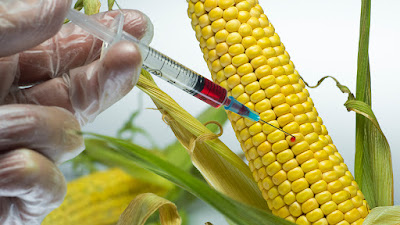
Genetically modified plants are agriculturally grown plants that have had their genetic material altered using genetic engineering procedures. These plants may have different promoters, enhancers, or sequences that host in Agrobacterium or other techniques. The modified plants have more trait sets than traditional crops. These genetically engineered crops have a number of advantages. Insecticides with insect growth regulator (IGR) systems are one of the most common and commonly used types of genetic alterations.

This type of modification involves releasing specific proteins that serve as alarm systems to prevent the reproduction of certain insect species, especially when that species is known to be dangerous to a crop's intended target. The IGR system reduces the frequency and severity of insecticide use. This particular method is approved for organic and conventional crops. In addition to this, there are other varieties of insecticides designed specifically for use with genetically modified crops. The application of genetically modified crops to human health is still an enigma. No substantial data have been gathered on either side of the argument.

There has been fairly limited research on the use of insecticides in agricultural IGR systems. The main source of worry is the threat to bees and other insects. Concern for human health stems mostly from the hazards associated with genetically modified foods, with an emphasis on an increased risk of serious effects for consumers. In recent years, there has been substantial controversy about whether genetically modified (GM) crops are safe for human consumption. According to recent research, there are no serious health risks associated with eating GM foods. However, some scientists are still concerned about the possible impacts of DNA modifications in organisms, particularly when these alterations occur accidently during processing or manufacture. Recently, in November 2019, researchers from Iowa State University developed a new genetically modified corn that increases yield up to 10%.

Monday, 11 October 2021

Arla Foods Ingredients expanded its presence in the Micellar casein market with launch of first-ever organic micellar casein isolate


Micellar Casein Market

High demand for a protein-rich diet among consumers is a prime factor driving growth of the Micellar casein market. Micellar casein is rich in protein that promotes muscle growth and reduces fat amount in the body. This factor is fueling the growth of the market. Increasing awareness regarding the weight management programs owing to rising health-conscious consumers. The rising prevalence of the chronic disease is also projected to create demand for protein-rich food. Moreover, increasing use of casein micelles as a carrier for molecules in the antiretroviral drug for HIV/AIDS drug delivery system is expected to provide lucrative growth opportunities in the near future. The growing focus of manufacturers to launch instant versions of micellar casein for ready-to-use form application is further expected to uplift the growth of the market.

In August 20201, Arla Foods Ingredients has launched the first-ever organic micellar casein isolate, to help manufacturers meet the demand for organic, natural, and functional protein products. Micellar casein isolate is a new ingredient that is rich in native milk proteins

In February 2021, Lactalis Ingredients has expanded its Pronativ native whey protein range with a new micellar casein isolate targeted at consumers who are proactive about healthy aging

Arla Foods Ingredients Group P/S, ProteinCo, Havero Hoogwegt B.V., Idaho Milk Products, Inc., The Milky Whey, Inc., Milk Specialties Global, AMCO Proteins, Ingredia SA, Nutrimed Healthcare Private Limited, Glanbia Nutritionals, Inc., and FrieslandCampina Domo are some of the key players active in the market.

North America is expected to hold a dominant position in the global Micellar casein market owing to the high prevalence of chronic disease in the region. According to the National Health Council, chronic diseases affect approximately 133 million Americans, representing more than 40% of the total population of this country. By 2020, that number is projected to grow to an estimated 157 million, with 81 million having multiple conditions.

The protein found in Micellar casein is the same as that found in cows. But unlike cow's milk, it is a very strong compound and it is more digestible by the body. As such, it has drawn attention as a nutritional supplement for athletes and bodybuilders because of its fast absorption rate. Athletes require much more than human milk for supplementation due to the time it takes the body to digest it. Because of this, whey and casein are often used together with other supplements in order to maximize their absorption rate in order to provide athletes and bodybuilders with the amount of protein they need.

The Global Protein Ingredients Market Continues To Grow Owing To the Increasing Consumption of Protein Powders among Individuals Who Want To Live a Fit Lifestyle


Protein Ingredients Market


Protein is a macromolecule made up of one or more linear units of amino acids. Protein is the building block of life and all living things are built with protein. The word 'protein' actually refers to a pair of amino acids that are used as the basis of the entire protein family - peptides. Peptides combine in pairs to form proteins and these compounds are the building blocks of all living cells, including humans.

Protein is the single most common element required for protein synthesis - the process that brings building blocks together to build a cell. There are two types of protein synthesis: direct and complementary. Direct protein synthesis is the process where one kind of protein (the proenzyme) is coupled with another protein (nucleic acid) in the form of DNA or RNA to initiate the production of living organisms. The complementary protein is used to catalyze the reaction and is thus essential to the functioning of every living cell. This process of protein synthesis within cells is what helps create many of the diseases.

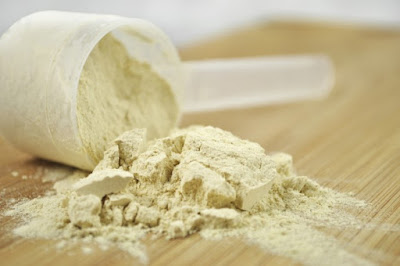
The increasing consumption of protein powder in the world is the main factor that is driving the growth of the global protein ingredients market. For instance, according to WebMD, per scoop of normal protein powder contains around 20 grams of protein. Moreover, the increasing inclination towards building muscles and living a healthy lifestyle with the help of protein consumption, along with key market players focusing on launching better products is also enhancing the growth of the global protein ingredients market.

Protein is made up of amino-acid residues called peptides. Peptides combine to form many of the building blocks of proteins including glycogen, and pectin. Although each of these individual peptide bonds is essential to the functioning of the cell, when these peptide bonds are combined unnaturally, the result is protein damage or protein toxicity. This kind of damage can result in such diseases as arteriosclerosis, atherosclerosis, cataracts, and cancer, just to name a few. However, health issues associated with the consumption of high protein such as digestive and gastric problems is the main factor that is restraining the growth of the global protein ingredients market.

Owing to the increasing prevalence of fitness clubs in the region, North America is experiencing high demand in the global protein ingredients market. For instance, according to the Athletics and Fitness Association of America, in 2019 there were 41,370 fitness clubs in the U.S. Moreover, the presence of key market players in the region is also aiding the growth of the market. Owing to these there have been several developments in the global protein ingredients market. For instance, in June 2021, Maheshwari Pharmaceuticals Private Limited (MPIL) introduced Protium: Pro-Performance protein powder, which blends around 85% whey isolate concentrate that has been sourced from Europe along with super herbs such as Pomegranate, Hadjob, Ashwagandha, etc.


Cannabis Beverages Market Sees Strong Growth in North America Due to Increasing Legalization of Marijuana


Cannabis Beverage Market

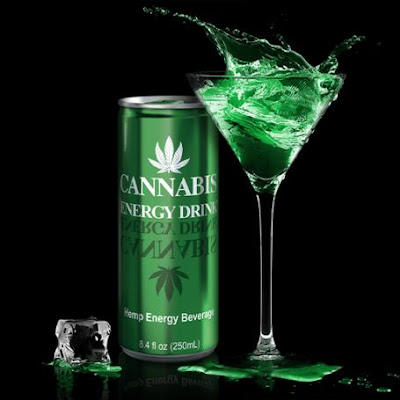
Cannabis has shown a rapid boom in terms of mass consumer appeal around the world, and its recreational usage is far greater than the medicinal use. Cannabis beverages includes different types of alcoholic and non-alcoholic beverages which are infused with cannabis or marijuana. The popularity of cannabis beverages is the increasing due to increasing demand for wellness drinks by consumers. Consumers are looking forward for cannabis beverages owing to low sugar content, clean ingredients, and an appropriate amount of cannabis. Moreover, increasing awareness among people about the health benefits of cannabis beverages has led to an increase in the demand for cannabis beverages.

Health benefits include prevention in weight gain, improvement in sleep disorders, controlled blood pressure, and release anxiety and depression. The aforementioned factors are key reasons behind the growth of the cannabis beverages market. Furthermore, growing concerns among consumers about calories and hangovers have encouraged companies operating in the food and beverage industry to invest in cannabis beverage products. For example, in June 2021, Nirvana Group launched cannabis beverage line, Liquid Leaf. Liquid Leaf ingredients are seamlessly blended and provide a delightfully crisp taste like top-quality juice drink.

There are currently three flavors available, such as Grape (100 MG THC), Golden Pineapple (100 MG THC), Fruit Punch (100 MG THC). This in turn is also expected to propel the growth of the cannabis beverages market. The trends in alcohol and cannabis consumption rates have diverged substantially in recent times, as many countries, such as Canada and the United States, around the world have legalized marijuana use. As a result, companies are investing in cannabis beverage products to meet the growing demand for cannabis beverage products.

In 2018, the U.S. legalized cultivation of hemp, which is obtained from the cannabis plant but contains lesser THC content. It has also encouraged companies to launch new products in this region. For example, in April 2021, Truss launched six more CBD and THC beverages in Canada. The flavors are Mollo 5 Lime, Little Victory Lemonade, Veryvell Honey Green Iced Tea, XMG Citrus & XMG Watermelon, and House of Terpenes Valencene & Sparkling Tonic. The aforementioned factors are expected to augment growth of the cannabis beverage market, especially in the U.S. and Canada.

However, cannabis products are not permissible in several developing as well as developed economies. Moreover, many governments worldwide are imposing strict rules and regulations for the manufacturing and marketing of cannabis products. This in turn is expected to hinder the cannabis beverage market growth.

Potato Chips; Thin Slices of Potatoes That Have Either Been Baked or Deep-Fried Until Crunchy

Potato chips are one of the most popular snack foods consumed across the globe. Potato chips are available in plain, cream and onion, barbec...