Showing posts with label Medical Devices. Show all posts

Thursday, 13 January 2022

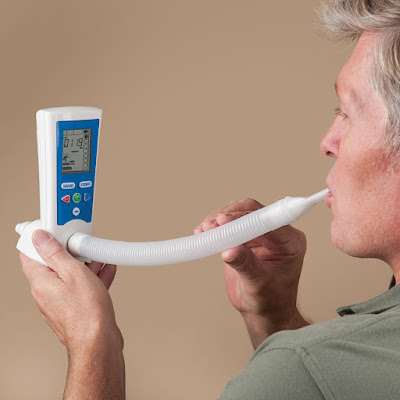
A spirometer is a medical device used to measure the airflow in the patient’s lungs and detect abnormal breathing patterns


Spirometer Market


The spirometer is a medical tool used to measure the lung function of patients. There are many different types of spirometers. Some are water-filled, others are not. Those that use water may cause dizziness or shortness of breath. These are not ideal for patients with heart conditions, hypertension, or other conditions that would prevent them from getting a normal reading. Some types of spirometers are not accurate and are dangerous for people who are pregnant or have recently undergone surgery.

The spirometer is a simple device that measures the volume of air exhaled and inhaled by patients. In order to use a spirometer, the bell must match the calibration marks on the recording device or on the supplied paper. The patient must inhale into the spirometer's tube and read out the measured volume. This measurement is known as "breathing rate" or BTPS. When compared to the actual lung volume, BTPS will be greater than what the patient is actually breathing.

The spirometer is one of the most common tools used to measure the amount of air exhaled. The spirometer is a very useful tool for monitoring lung disease. A spirometer can measure the size of the bell, as well as the height and weight of a person. The volume of air exhaled will vary depending on the person. A spirometer uses a pneumatic flow head to measure the flow of air. The device also records the amount of air inhaled. It can be used to assess the volume of air inhaled and exhaled by patients.

The spirometer can also be used as an incentive. It can help patients improve their breathing patterns or minimize fluid buildup in the lungs. For instance, in June 2020, the U.S. Food and Drug Administration (FDA) updated its guidelines on remote monitoring devices for COVID-19 infection, to facilitate outpatient and inpatient management using apnea monitors and spirometers and avoid in-clinic visits. In addition, a spirometer is helpful for pulmonary rehabilitation and inspiratory muscle training. A spirometer is also used to monitor patients with chronic diseases. A spirometer is essential for monitoring these patients. It is a useful piece of equipment that should be in every physician's office.

Cochlear Implants Are Available In Several Types; All Share Basic Features

Cochlear Implants


A cochlear implant, also known as a cochlear adapter, is a surgically planted neuroprosthetic device that gives a disabled person a modified hearing capability. The implants are a new way to help deaf people hear and speak again. A cochlear implant contains a small microphone and speech processor. After the procedure, a transmitter sends digital signals to a cochlear implant receiver. The processor then sends electrical impulses to electrodes in the cochlea. The electrodes stimulate the auditory nerve and send a message to the brain. Once the information is received, the brain interprets the information and recognizes the sounds. The implant receiver is then able to identify speech and sounds and understand the speech of the person using it.

Once the cochlear implants have been placed in the ear, a second surgery is needed to connect the device to the outside part. This procedure may take anywhere from one to four weeks. While many hospitals allow you to go home the day of surgery, some require you to stay overnight. You'll likely be given pain medications and antibiotics to help the healing process. After surgery, the external part of the cochlear implant is attached to a receiver-stimulator that sits behind the ear.

There is no immediate difference in the quality of speech. After cochlear implant surgery, you'll need to undergo extensive testing. An audiologist and a speech-language pathologist will assess your candidate's hearing and assess your hearing. A CT scan and MRI will be used to check the inner ear structures and to decide if a cochlear implant is right for you. This is the only option if you're considering a cochlear implant.

Patients find that they can perceive sound above or beyond the binaural field normally reserved for normal hearing. These implants stimulate the cochlear nerve. The electronic device has internal and external components. The internal part sits just above the ear on top of the head. It picks up external sounds using a microphone attached to a generator, which is located inside your inner ear.

Cochlear implants are available in several types; all share basic features. You can use them to treat mild deafness which is caused by wax build-up in the auditory canal. After the cochlear implant is implanted, you'll have several appointments with your audiologist. The first fitting is scheduled about four weeks after the procedure. The next appointment is called activation day, when your audiologist turns on the audio processor. You'll need to continue with speech-language therapy and at-home exercises to make the most of your new hearing. The doctor will also monitor your progress and make sure that you're getting the best benefit from your cochlear implant.

Monday, 3 January 2022

Body Contouring Devices are gaining a lot of traction among consumers because they are a non-invasive way to lose weight

Body Contouring Devices


Body sculpting normally consists of three main strategies: radiofrequency removal, liposuction, and lymphatic waste removal. Radiofrequency removal entails using a handheld transmitter to precisely separate the fat cells, breaking them down into more effectively manageable pieces. The shattered bits are then injected into the appropriate regions. Liposuction entails inserting a vacuum tube into the entrance point site or a restricted blood bonding. Scarring can result with liposuction, and lymphatic debris can produce an excessive blood flow to the cut site. Most insurance companies do not cover these techniques.

The advancement of clinical research and innovation has resulted in the disclosure of many applications, which have prepared the cutting-edge clinical field and its application in the current era. Body shaping is simply a thorough method that includes the adjustment of body leaves behind a purpose to increase an individual's presence. The vacuum pressure rule was used by the majority of Body Contouring devices. These devices were primarily used in the treatment of patients with severe stoutness or patients who had liposuction wounds.

Non-surgical body contouring devices have been proven to provide long-lasting results, as well as a much quicker recovery time. Radiofrequency ablation, liposuction, ultrasound, as well as laser, have all been used in order to decrease the appearance of cellulite and have been successful in their endeavors. Cellulite is caused by fat deposits that collect in the pockets of the upper thighs and buttocks of most women. These pockets become filled with water or other fluids, which makes them look "wrinkled" and bumpy. Body contouring treatments can be performed to reduce the buildup of fat, as well as reducing the liquid-filled pockets. Some methods also reduce the skin's tendency to dimple, known as sagging.

Friday, 10 December 2021

Surgical Scalpel Market 2026 Trends, Analysis, Market Forecast, Production Demand

surgical scalpel Market


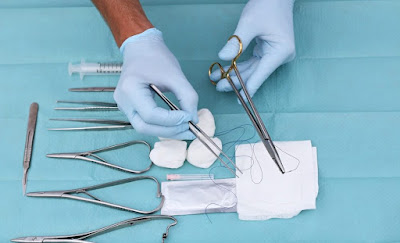
A surgical scalpel is a small, razor-sharp bladed tool used for a variety of operations such as surgery and anatomical dissection. The two types of scalpels offered are single-use or disposable scalpels and reusable scalpels. Reusable scalpels can have sharpenable fixed blades or single-use blades that are permanently linked. Disposable scalpels are typically made of plastic and contain an extended blade that can only be used once before becoming obsolete. Scalpel blades are typically supplied in sterile pouches.
The most frequent materials used in scalepel blades are tempered and hardened steel, high carbon steel, and stainless steel. Ceramic, diamond, titanium, and obsidian knives are common. Steel blades, for example, are unsuitable for use when a surgeon performs surgery under MRI guidance because they may become attracted to the magnets and create picture distortions. Because of its antimicrobial properties, silver has long been the material of choice for surgical scalpels. Scalpel blades with a zirconium nitride-coated edge are only available from a few manufacturers, and they improve sharpness and edge retention.

The increased incidence of cardiovascular and neurological illnesses are two market trends that are likely to boost the surgical scalpel market's expansion. Furthermore, increased demand for minimally invasive operations, as well as recent technical advancements in the surgical scalpel industry, are some of the other factors that will propel the surgical scalpel market forward in the near future.

Another driver is the increased need for surgical equipment as the number of surgical procedures increases, as well as the rising prevalence of several chronic diseases and an ageing population. Furthermore, rising healthcare costs, increased demand for plastic and reconstructive surgery, and increased demand for innovative surgical procedures are expected to propel the surgical scalpel market forward throughout the forecast period. The market may suffer as a result of a lack of proper remuneration for surgical equipment, particularly in emerging markets.

Respiratory trainer Market Intelligence, Prescriptive Research, Execute Growth Opportunities


Respiratory trainer Market


A respiratory trainer, also known as a breathe exerciser, is a machine that performs specific workouts to enhance the function of the breathing muscles. This device increases the amount of oxygen and air that may be breathed in while also providing a high concentration of oxygen and air. Respiratory trainers work with persons who have asthma, bronchitis, emphysema, or chronic obstructive lung illness to help them develop their muscles. There are a variety of respiratory trainers available, including Ultrabreathe, Powerbreathe, PowerLung, and Expand-A-Lung.

To give your lungs a regular workout, inhale for a few minutes twice a day through a respiratory trainer in a simple breathing rhythm. Respiratory trainers employ the resistance principle. Resistance is formed as the patient inhales, requiring the muscles to work harder; the harder they work, the stronger and more durable they become. The lung exerciser can be gradually adjusted with a knob to provide extra resistance as the breathing power develops. Respiratory trainers are increasingly being recommended by doctors to post-surgery patients in order to improve their lung power. Respiratory trainers are now being used to help athletes enhance their performance.

The increased prevalence of respiratory illnesses is driving the growth of the worldwide respiratory trainer market. According to the World Health Organization's 2018 report, over 334 million people globally suffered from asthma in 2017 and around 10.4 million people suffered from tuberculosis. According to the Global Burden of Disease Study 2016, around 251 million instances of chronic obstructive pulmonary disease (COPD) were documented worldwide, resulting in 3.17 million fatalities, with 90% of deaths occurring in low and middle income countries. Furthermore, other respiratory disorders such as occupational lung diseases are likely to drive the market growth over the forecast period. For instance, in 2018, the World Health Organization reported that around 100 million people are suffering from sleep-disordered breathing and over 50 million people are suffering from occupational lung diseases

On the basis of geography, the respiratory trainer market is segmented into North America, Latin America, Europe, Asia Pacific, Middle East, and Africa. In 2018, North America accounted for the largest market share in respiratory trainer market, owing to increasing incidences of various respiratory diseases.

Infant incubator market Revenue Share Analysis,Region & Country Forecast, 2018–2026


Infant incubator market


An infant incubator is a device that provides a controlled atmosphere with the necessary levels of temperature, humidity, and oxygen for a newborn. The incubator unit is often in the form of a trolley and is made out of a soft mattress covered by a plastic cover. It shields the baby from dust, noise, infection, and excessive handling while also providing a clean environment. A temperature sensor in the incubator chamber regulates the heat and keeps the newborn at a steady temperature. In addition, a humidification system and an electric heating system are installed in the incubator chamber to maintain humidity and circulate humid air.

The market for infant incubators is expected to develop as a result of the numerous benefits it provides for the well-being of babies. The introduction of infant incubators has increased the survival rate of preterm infants and reduced neonatal hypothermia. This element helps to drive the newborn incubators market forward. Furthermore, the rising occurrence of preterm birth is expected to drive market expansion. According to the WHO, the number of premature child deliveries exceeds 15 million per year and is expected to rise in the next years. However, the expensive cost of these devices, the availability of competing options such as newborn warmers, and the insufficiency of these devices in poor countries are projected to limit market expansion. In addition, the incubators limit the infant’s access to medical care, which might have a negative impact on the growth of the infant incubator market.

Closed care newborn warming equipment include infant incubators. The global infant incubator market may be divided into three segments: product, end-user, and geography. The market can be divided into two categories based on product: transport incubators and neonatal intensive care unit (NICU) incubators. The market for NICU incubators is expected to expand rapidly. The market can be divided into three categories based on end-user: paediatric hospitals, birthing centres, and neonatal intensive care units.

Fall detection systems market Revenue Share Analysis,Region & Country Forecast, 2019–2027


Fall detection systems market

For senior citizens to monitor their mobility, fall detection systems may be essential. One example is Moog, a home mobility product. This device may detect falls on its own and sound an alarm to notify the user or ask for assistance. This is an important item since it gives elderly adults a sense of independence. Self-sufficient seniors may not want to rely on others for assistance in their golden years. They can stay independent and enjoy the independence that they've fought hard for all of their life if they invest in fall detection systems.

A fall detection system is an assistive gadget worn around the waist that warns the user when they have fallen. Such technology is known to mitigate the effects of a fall. The technology may identify a person's fall using acceleration analysis and convey the person's physical location as well as a fall warning brief message to carers. As a result, the elderly who have fallen can receive immediate assistance to reduce the harmful effects such as pressure ulcers, muscular necrosis, hyperthermia, and pneumonia.

The market is growing due to increased demand for smartphones and wearable technology, as well as improved ability to aid in the event of a fall, which leads to lower medical expenses. However, the market's expansion is hampered by its low practicability and acceptability among elderly. The global increase in elderly population is expected to provide opportunities for growth.

The fall detection system market is classified by product type, sensing modalities, technology, end-user, and geography. It is divided into two categories based on product type: automatic fall detection systems and manual fall detection systems. It is classified as wearable or non-wearable based on sensing modalities. It is classified as GPS systems, cell phones, and sensors in terms of technology. The market is divided into two segments based on end user: home care settings and senior assisted living institutions. It is examined geographically across North America, Europe, Asia-Pacific, and Latin America.

Blood pressure cuffs Market Analysis including Growth, Challenges, Opportunities and Future Developments to 2026


Blood pressure cuffs Market


Blood pressure cuffs are used to measure patients' blood pressure. The cuff is constructed of a rubber balloon that inflates and wraps around the arm. Additionally, post-inflation, systolic, and diastolic blood pressure can be measured, allowing hypertension issues to be identified. On the market, there are three types of blood pressure cuffs: mercury-based, aneroid (mechanical), and digital. Digital blood pressure cuffs are automatic, inflating and deflating with the press of a button, whereas mercury-based and aneroid blood pressure cuffs are manual and need the use of a stethoscope to monitor the patients' systolic and diastolic blood pressure.

Leading manufacturers are concentrating their efforts on developing goods for the global blood pressure cuffs market. In 2019, Omron Corporation, for example, released Heartguide, the first blood pressure monitor in the shape of a wristwatch. The Heartguide bracelet is equipped with an inflatable cuff that inflates and records the patients' blood pressure. The device can take up to 100 readings, which are then uploaded to the Heartadvisor smartphone app. The United States Food and Drug Administration (US FDA) authorised Heartguide in December 2018.

Furthermore, Withings is waiting for FDA approval for its product BPM Core, which is a 3-in-1 device that can measure blood pressure, electrocardiogram (ECG), and function as a stethoscope when placed near the heart, as well as monitor valvular heart abnormalities in patients.
The global prevalence of hypertension has been observed, and it affects people of all ages due to variables such as obesity, diabetes, a lack of physical exercise, old age, and genetics.

The usage of digital blood pressure cuffs has been linked to various downsides. For example, digital blood pressure cuffs are available on the market and can be used by patients for personal blood pressure measurement. The incorrect size and location of the cuffs on the arm can lead to blood pressure reading errors and incorrect identification of the ailment. Traditional blood pressure monitoring equipment, such as mercury-based blood pressure measuring devices and mechanical blood pressure measuring devices, are alternatives to digital blood pressure devices and are used in clinics and point-of-care services to record accurate blood pressure readings.

Balloon Catheter Market Analysis including Growth, Challenges, Opportunities and Future Developments to 2027


Balloon Catheter Market


A balloon catheter is defined as an innovative medical device which comprises guidewire and catheter, which is inserted into the femoral artery in the leg or sometimes into the radial artery in the arm to treat constricted blood vessels. Balloon catheter also includes minimally-invasive procedure for opening blocked or narrowed coronary arteries caused by coronary arteries disease (CAD).
Increase in surgical procedures is the vital factor escalating the market growth, also rising geriatric population, rising number of minimally invasive surgeries, increasing hospitalization with an increase in cardiovascular disorders, rising demand for angioplasty over conventional surgeries due to its minimally invasive nature and better outcome and increase in the number of catheterization laboratories are the major factors among others driving the balloon catheter market. Moreover, rising technological advancements and modernization in the healthcare devices, rising research and development activities in the healthcare sector and rising emerging markets will further create new opportunities for balloon catheter market in the forecasted period of 2019-2027.

However, rising healthcare expense is one of the primary factors that will block market expansion and further challenge the growth of the balloon catheter market over the forecast period.
This balloon catheter market report details new recent developments, trade regulations, import export analysis, production analysis, value chain optimization, market share, impact of domestic and localised market players, analyses opportunities in terms of emerging revenue pockets, changes in market regulations, strategic market growth analysis, market size, category market growths, application niches and dominance, product approvals, product launches, geograhic information, and geograhic information.
Balloon Catheter Market Scope and Market Size
The balloon catheter market is segmented on the basis of indication, end-users, balloon type and catheter type. The growth amongst these segments will help you analyse meagre growth segments in the industries, and provide the users with valuable market overview and market insights to help them in making strategic decisions for identification of core market applications.
  • On the basis of indication, the balloon catheter market is segmented into coronary artery disease and peripheral vascular disease.
  • Based on end-users, the balloon catheter market is segmented into public hospitals & private hospitals, ambulatory surgical centres and cardiac catheterisation laboratories.

Wednesday, 3 November 2021

X-ray Detectable Gauze Sponges Market to Witness Robust Growth Due to Increasing Number of Surgical Procedures Worldwide


X-ray detectable gauze sponges market
Gauze sponges are disposable medical devices widely used in medicine and surgery. They are used to absorb blood and other fluids as well as clean wounds. Gauze sponges are made up of gauze that made up of non-woven and cotton materials. The X-ray detectable gauze sponges are used during open wound dressing, wound packing, and minor and major surgery. Moreover, gauze sponges, with X-ray detectable material such as yarn or ribbon, are of two types, such as non-sterile and sterile, same as other gauze sponges. The above mentioned factors are expected to accelerate the X-ray detectable gauze sponges market growth.

Moreover, the growth of the X-ray detectable gauze sponges market is mainly driven by the increasing number of surgical procedures and wound closure treatments around the world. For instance, according to the American Society of Plastic Surgeons, in 2018, around 17.7 million surgical and minimally invasive cosmetic procedures were performed in the United States. Furthermore, treatment of chronic diseases often requires surgeries as surgery is the primary treatment for patients suffering from such diseases. For instance, according to the National Center for Chronic Disease Prevention and Health, six in ten adults of the U.S. have a chronic disease at some point in their lives.

Thus, the demand for X-ray detectable gauze sponges is increasing with increasing incidence chronic diseases, especially in North America and the Asia Pacific, driving the X-ray detectable gauze sponges market growth. Minimally invasive surgeries limit the size of incisions required and thus reduces associated pain, wound healing time, and risk of the infection. The X-ray detectable gauze sponges are ideally made with suitable color which contrast with blood. These sponges help avoid the additional operative procedure in case a gauze sponge remains in the patient's body after closure. Their most common use is to absorb liquids and remove debris from an open wound or other area.

However, high cost of X-ray detectable gauze sponges and lack of awareness among people in emerging countries is restraining the growth of the X-ray detectable gauze sponges market. The cost of gauze sponges is comparatively high compared to normal sponges because they come up with the material that is X-ray detectable. Moreover, the increasing prevalence of gossypibomas is another major factor driving the X-ray detectable gauze sponges market growth. A gossypiboma refers to a foreign object, such as a mass of cotton matrix or a sponge that is left behind during surgery.

Monday, 11 October 2021

The Global Medical Laser Systems Market Is Projected To Grow Owing To the Increasing Incidence of Ophthalmologic Issues in the World


Medical Laser Systems Market


Medical laser systems are a branch of medical science that uses high-energy light to cure or treat certain diseases and conditions. Laser medicine consists of the application of focused light in medical diagnoses, treatments, or procedures, including laser resurfacing, photodynamic therapy, and laser surgery. The first types of these lasers were developed over sixty years ago and used to treat eye disorders such as congenital cataracts and glaucoma. Since then, other branches of this medical field such as radiology and ophthalmology have utilized lasers for treatment and research. Currently, there are several types of lasers for different uses in medicine. Lasers are used in almost every area of medicine to decrease, treat, and prevent many diseases, and help with surgical procedures.

The beam of a medical laser varies depending on the type of laser being used. The type of laser and the frequency of pulses used dictate the beam width and the depth penetration of the light. The wavelength of the beam is also determined by the type of tissue being treated. For instance, beams penetrating deep into the tissue will require a higher wavelength than those penetrating closer to the surface of the tissue.

The increasing incidence of ophthalmic issues in the world is the main factor that is enhancing the growth of the global medical laser systems market. For instance, according to the World Health Organization in the world around 2.2 billion individuals have distance or near vision impairment. In at least half of these cases, vision impairment may have been prevented or still need to be addressed. Moreover, the rapidly increasing aesthetic appeal is also driving the growth of the global medical laser systems market.

In addition to the beam width and the wavelength, the intensity and color of the light also affect the effectiveness of laser radiation. The intense color is due to the fluorescent green color produced by the carbon dioxide laser and the cool blue light produced by the xenon laser. Although lasers can be used to remove excess fat, remove unwanted hair, slow the aging process, and correct imperfections on the skin, lasers are primarily used to enhance one aspect of a patient's body or another. However, stringent regulations related to the usage of medical lasers are the main restraining factor that is hindering the growth of the global medical laser systems market.

Owing to the increasing prevalence of ophthalmologic issues, North America is witnessing high demand in the global medical laser systems market. For instance, according to the U.S. Centers for Disease Control and Prevention, more than 12 million individuals, who are 40 years and over in the U.S. have vision impairments, which includes 1 million who are suffering from blindness, 3 million suffer vision impairment after correction along with 8 million who suffer vision impairment wing to the uncorrected refractive error. These factors have resulted in several industrial developments in the global medical laser systems market. For instance, in January 2020, DEKA M.E.L.A. SRL and Cartessa Aesthetics entered an exclusive distribution agreement for marketing Luxea, which is an aesthetic platform device.

The growing R&D of biosimilars is driving growth of the prepacked chromatography columns market


Prepacked Chromatography Columns Market


The growing need for purification of biopharmaceuticals is primarily fueling growth of the global prepacked chromatography columns market. Moreover, the increasing launch of biopharmaceutical drugs is again fostering the growth of the market. According to Pharmaceutical Research and Manufacturers of America, over 750 orphan drugs were approved in the U.S. in 2018, compared to over 600 in 2017. Additionally, the growing R&D of biosimilars is expected to provide potential growth opportunities. For instance, in May 2018, Pfizer, Inc., a U.S.-based pharmaceutical company, received the U.S. Food and Drug Administration (FDA) approval for RETACRIT, which is a biosimilar to Epogen and Procrit. It is the first and only FDA approved biosimilar erythropoiesis-stimulating agent.


In January 2020, Agilent Technologies Inc. collaborated with the Indian Institute of Technology Delhi, India, to promote biopharmaceutical research


In March 2018, Repligen Corporation announced the commercial launch of its next-generation OPUS® column, the OPUS 80R, which is the largest pre-packed column on the market and is suitable for late-stage clinical into commercial-scale manufacturing of biological drugs


In April 2020, Tosoh Bioscience GmbH, a provider of chromatographic solutions for the separation and purification of biomolecules, announced the introduction of SkillPak 1 mL and 5 mL pre-packed columns


North America is expected to hold a leading position in the global prepacked chromatography columns market owing to the increasing adoption of merger and acquisition strategies among key players. For instance, in April 2019, Repligen Corporation entered into a definitive agreement to acquire privately-held C Technologies, Inc. to expand its Process Analytics segment of bioprocessing

Key players engaged in the global prepacked chromatography columns market are Agela Technologies (Danaher Corporation), Bio-Rad Laboratories, Inc., EMD Millipore (Merck KGaA), GE Healthcare, KNAUER Wissenschaftliche Geräte GmbH, Agilent Technologies Inc., Pall Corporation (Danaher Corporation), Repligen Corporation, Phenomenex, Inc., and Thermo Fisher Scientific, Inc.

Prepacked chromatogram columns refer to the filled columns that are used extensively in the chromatography industry for the analysis of mixtures containing key analytes. They are widely used for different chromatography methods, including ion exchange, semi-log, etc. Prepacked Chromatography Columns are made of stainless steel with fully welded joints and are available in three different thicknesses to suit analytical needs. There are different types of chromatography columns available which include column options for solid-phase analysis, ion phase analysis, mobile phase analysis, gas phase analysis, and quantitative spectroscopy applications.

Opsens, Inc. introduced a guidewire with optic sensing technology called “Optowire” for expanding its presence in the global fractional flow reserve market


fractional flow reserve market


Key players are involved in the development of a new product for the management of coronary heart disease (CHD). This is expected to foster the growth of the fractional flow reserve market. For instance, in May 2019, Phillips launched Instant Wave Free Ratio (iFR) which is the modified version of the currently available FFR in the market. This modified version does not require adenosine which is usually used in FFR for inducing hyperemia in patients. Also, in November 2019, Opsens, Inc. introduced a guidewire with optic sensing technology called “Optowire”. Moreover, in December 2018, CathWorks, a company based in Japan, received regulatory approval from U.S. FDA for FFRangio, a non-invasive FFR technique.

On the other hand, the high cost of the device is expected to restrict the growth of the fractional flow reserve market. According to the American College of Cardiology (ACC), 2017, FFR is not used by patients, owing to the high cost of the guidewire, longer time taken for the FFR procedure, lower availability of adenosine, and use of adenosine as a stressor during the FFR procedure makes some patients uncomfortable.

Some of the major players involved in the global fractional flow reserve market are Abbott Laboratories, Boston Scientific Corporation, Koninklijke Philips N.V., Opsens Inc., ACIST Medical Systems, Inc., GE Healthcare, Heartflow, Pie Medical Imaging BV, Cathworks Ltd., and Medtronic plc.

North America is expected to hold a leading position in the global fractional flow reserve market owing to the rising prevalence of coronary heart disease (CHD) in the region. According to the Centers for Disease Control and Prevention (CDC), 2019, coronary heart disease (CHD) resulted in the death of 365, 914 people worldwide in the year 2017. Moreover, according to the same source, worldwide 18.2 million adults over the age of 20 are suffering from CHD, and 2 in 10 deaths occur in people less than 65 years of age.

Fractional flow reserve has long been used as a process of heart disease monitoring. In fact, it has been around almost as long as heart disease has itself. Using this method, blood is drawn into a punctured tube, and then a pump is used to transport the blood back to the heart where it is needed. There are various different models available, and they are all based on the concept that a change in blood pressure can be an indicator of an imminent heart attack or heart failure. The key is to take action even if there really is no problem since time is usually a factor that killing people before they get to a hospital. However, some of these fractional flow reserve machines are now available for use in home monitoring.

Microsclerotherapy Treatment Market to Witness Upward Trend with High Prevalence of Varicose Veins


Microsclerotherapy Treatment Market


Microsclerotherapy is a technique used to treat spider veins or thread veins (telangiectasia) of the legs. It is a relatively straightforward procedure which involves injecting a liquid into the veins which destroys them and causes them to disappear over time. Sclerosants, sodium morrhuate, sodium tetradecyl sulfate (Sotradecol), hypertonic saline, hydroxypolyethoxydodecane (polidocanol; Aethoxysklerol), and, Sclerodex (a mixture of dextrose and sodium chloride) are used in the treatment of thread veins.

Europe is expected to witness significant growth in the microsclerotherapy treatment market. The prevalence of telangiectasia is significant in Europe, North America and Asia Pacific. The condition is more prevalent in females than males. There is a highly significant association between the degree of severity of varicose veins and the grade of telangiectasia.

It has been observed that genetic and environmental factors significantly impact telangiectasia. Increasing geriatric population is expected to aid in growth of the microsclerotherapy treatment market as age is also a major factor that can impact the risk of telangiectasia. According to the U.S. Census Bureau, the U.S. geriatric population is expected to reach 77 million by 2034.

Patients suffering from varicose veins are also at risk of telangiectasia. According to the study, ‘Estimation of Prevalence of Varicose Veins Formation and Associated Risks in North Indian Population’, published in 2019 in Research & Reviews: A Journal of Health Professions, the prevalence of varicosities formation was noted high in the Northern Indian population with around one-third of women (in the study group) and one fifth of men found affected by this disorder. Thus, the microsclerotherapy treatment market in India is expected to witness significant growth.

The microsclerotherapy treatment market in North America is also expected to witness significant growth, due to high prevalence of varicose veins. According to the American Vein and Lymphatic Society, 2019, over 40 million people in the U.S. suffer from varicose veins.

Asia Pacific is expected to witness significant growth in the microsclerotherapy treatment market, owing to increasing geriatric population in the region. According to United Nations Population Fund, geriatric population in Asia Pacific is expected to triple between 2010 and 2050 to reach 1.3 billion people by 2050.

Other factors that could cause telangiectasia are pregnancy, rosacea, and overexposure to sunlight. Factors such as side effects and high treatment costs are expected to hinder growth of the microsclerotherapy treatment market.

Friday, 8 October 2021

X-ray Detectable Gauze Sponges Market to Witness Robust Growth Due to Increasing Number of Surgical Procedures Worldwide


X-ray Detectable Gauze Sponges Market


Gauze sponges are disposable medical devices widely used in medicine and surgery. They are used to absorb blood and other fluids as well as clean wounds. Gauze sponges are made up of gauze that made up of non-woven and cotton materials. The X-ray detectable gauze sponges are used during open wound dressing, wound packing, and minor and major surgery. Moreover, gauze sponges, with X-ray detectable material such as yarn or ribbon, are of two types, such as non-sterile and sterile, same as other gauze sponges. The above mentioned factors are expected to accelerate the X-ray detectable gauze sponges market growth.

Moreover, the growth of the X-ray detectable gauze sponges market is mainly driven by the increasing number of surgical procedures and wound closure treatments around the world. For instance, according to the American Society of Plastic Surgeons, in 2018, around 17.7 million surgical and minimally invasive cosmetic procedures were performed in the United States. Furthermore, treatment of chronic diseases often requires surgeries as surgery is the primary treatment for patients suffering from such diseases. For instance, according to the National Center for Chronic Disease Prevention and Health, six in ten adults of the U.S. have a chronic disease at some point in their lives.

Thus, the demand for X-ray detectable gauze sponges is increasing with increasing incidence chronic diseases, especially in North America and the Asia Pacific, driving the X-ray detectable gauze sponges market growth. Minimally invasive surgeries limit the size of incisions required and thus reduces associated pain, wound healing time, and risk of the infection. The X-ray detectable gauze sponges are ideally made with suitable color which contrast with blood. These sponges help avoid the additional operative procedure in case a gauze sponge remains in the patient's body after closure. Their most common use is to absorb liquids and remove debris from an open wound or other area.

However, high cost of X-ray detectable gauze sponges and lack of awareness among people in emerging countries is restraining the growth of the X-ray detectable gauze sponges market. The cost of gauze sponges is comparatively high compared to normal sponges because they come up with the material that is X-ray detectable. Moreover, the increasing prevalence of gossypibomas is another major factor driving the X-ray detectable gauze sponges market growth. A gossypiboma refers to a foreign object, such as a mass of cotton matrix or a sponge that is left behind during surgery


The PTA Balloon Catheter Market Is Gaining Major Traction Due to Increasing Product Launches and Approvals


PTA Balloon Catheter Market


Percutaneous transluminal angioplasty (PTA) is a minimally invasive endovascular procedure that can open up a blocked blood vessel using a catheter, with a balloon at the end of it. When the tube is in place, it inflates to open the blood vessel, or artery, so that normal blood flow is restored. PTA balloons come in various shapes, lengths, and sizes, depending on the anatomy they are intended to treat. PTA balloon catheters are used to treat peripheral vascular lesions and vascular blockages. The PTA balloon catheter market growth can be attributed to the increasing prevalence of urological and cardiovascular diseases worldwide.

According to the World Health Organization (WHO), cardiovascular diseases (CVDs) are the leading cause of death worldwide, taking an estimated 17.9 million lives each year. Moreover, according to the Centers for Disease Control and Prevention (CDC), around 655,000 people in the United States die from heart disease each year, that is 1 in every 4 deaths. Thus, with the increasing prevalence of urological and cardiovascular diseases, the demand for PTA balloon catheters is also increasing with a rapid pace. This in turn is expected to augment the growth of the PTA balloon catheter market growth. In March 2021, Medtronic launched PTA balloon catheter in the following countries: Turkey, Spain, South Africa, Portugal, Italy, and Germany.

The device is indicated for use in native or synthetic arteriovenous dialysis fistulae, as well as femoral, iliac, and renal arteries. The device enables the infusion of diagnostic or therapeutic fluids via the integrated injection port located proximal to the balloon. Moreover, an increasing number of minimally invasive surgeries and the growing geriatric population are some major factors driving the PTA balloon catheter market growth. Minimally invasive procedures have led to an increase in the number of catheterization laboratories. According to the WHO, world's population aged 60 years and older is expected to total 2 billion by 2050.

Moreover, the booming medical tourism industry is expected to have a positive impact on the PTA balloon catheter market. Market player are focused on launching new and innovative balloon catheters to meet the increasing demand, especially in North America and the Asia Pacific. For instance, in January 2021, OrbusNeich Medical Co. Ltd. received the United States Food and Drug Administration (USFDA) approval for the JADE 0.014”, 0.018” and 0.035” OTW non-compliant peripheral balloon dilatation catheter series. The JADE is a PTA OTW balloon catheter for Percutaneous Transluminal Angioplasty in the peripheral vasculature.

Tuesday, 3 August 2021

Canes and Crutches Market is growing rapidly with Flexmotiv introducing the first automated crutch that can stand on its own


Canes and Crutches Market


A crutch is basically a mobility aid that transfers weight from one part of the body to another. It's most commonly used by individuals who can't use their hands to support their full weight, for various reasons ranging from temporary injuries to long-term disabilities. As far as geographical impact is concerned, North America seems to be gaining significant traction in the canes and crutches market. This growth can be attributed to growing geriatric population coupled with high incidences of osteoarthritis and arthritis across the region. On the contrary, Asia Pacific is exhibiting promising signs due to improving healthcare infrastructure in the region.

One of the key factors aiding growth of the market is the rapidly increasing geriatric population. As per the World Health Organization (WHO), by 2050, the global population aged 65 years and above is expected to reach around 2 billion increasing from 900 million in 2015. According to the same source, in Europe, the number of people aged 85 years and above is expected to increase from 14 million to 19 million by 2020, and increase to 40 million by 2050. Elderly people are more likely to require walking aids, which could augment growth of the cranes and crutches market.
However, there are certain factors that can potentially limit the future development of the market. For instance, mobility knee walkers or knee scooters have become the most preferred alternative to crutches and canes in the recent past due to better balance, natural upright posture to reduce back pain, and help to remain mentally positive. Thus, these factors can impede growth of the canes and crutches market.
Boots Crutches with a built-in footboard are great for people whose legs can't support the full weight of the crutches they're wearing. This makes them a good choice for people with flat feet, problems with arthritis, or simply as they match the rest of your footwear. One particular faction of the population that often requires walking aid is people with orthopedic diseases such as rheumatoid arthritis. As per the Centers for Disease Control and Prevention (CDC), from 2013-2015 around 54.4 million adults in the U.S. have some form of arthritis, gout, rheumatoid arthritis, or fibromyalgia. Such a high incidence of rheumatoid arthritis could further stimulate growth of the canes and crutches market. Recently, in August 2019, Flexmotiv launched the world’s first automated crutch that can stand on its own.


Ocular Implant Market in Asia Pacific Witnesses Significant Growth, Due to High Prevalence of Cataract and Cataract Blindness in China


Ocular Implant Market


The worldwide ocular implant market is divided into corneal implants, middle and extruded lenses, and bifocal lenses. Each category features different functionalities, thus increasing the chances for finding a matching eye implant for the patient's requirements. The demand for these in the market has grown tremendously due to its promising effects and favorable outcomes. This is the reason that it has been ranked as one of the top choices of patients who are suffering from eye defects. Some of the common types of ocular implants in the market include:
Corneal Implants: A cornea transplant is a surgical procedure to replace part of your cornea with corneal tissue from a donor. With increasing number of advancements in technology, the surgical procedure is being made easier and safer for the patients. According to the latest statistical data, the demand for ocular implants has been increasing steadily in the world as per the latest surveys. The global ocular implant market can be broadly classified into five sectors - intraocular lenses (IOL), eye surgery lenses (GL), bifocal lenses (BFL), and laser eye surgery glasses. Moreover, there is an increasing number of manufacturers in this field.
Bifocal Devices: The bifocal eye glasses have gained popularity worldwide with its ability to provide clear vision and the fastest-growing segment within ocular implant market. However, with growing age, people face problems like dry eyes, prescribed reading glasses and other visual problems. Hence, today the market is flooded with replacement eyeglasses, including progressive and bifocal eye glasses. These glasses can be replaced by various brands such as progressive eye glasses, bifocal reading glasses, and IOLs.

The global ocular implant market is currently undergoing tremendous advancements, with high prevalence of ocular diseases. According to The International Agency for the Prevention of Blindness, 80 million people are expected to suffer from glaucoma by 2020 compared to 20 million since 2010. Moreover, according to the study, ‘The national and subnational prevalence of cataract and cataract blindness in China: a systematic review and meta-analysis’, published in the Journal of Global Health in June 2018, the prevalence of any cataract ranged from 6.71% in people aged 45-49 years to 73.01% in elderly aged 85-89 years in males. This in turn is expected to aid in growth of the ocular implant market in Asia Pacific.


Monday, 2 August 2021

Vagus Nerve Stimulators Market is developing rapidly with electroCore Inc. receiving the U.S. Food and Drug Administration (FDA) 510(k) clearance for its gammaCore, a vagus nerve stimulator


Vagus Nerve Stimulators Market

Vagus nerve Stimulators are electronic devices that are placed inside the abdominal area. The idea behind it is that when placed near the spleen there will be relief of symptoms associated with Vagus Nerve compression, which includes pain, spasms, vomiting, and nausea. The primary factor that could aid growth of the market is rapidly growing cases of neurological and cardiovascular disorders. As per the World Health Organization (WHO), around 17.9 million people die of cardiovascular diseases every year. As per the Alzheimer Association, in 2021, around 6.2 million people in the U.S. aged 65 years and above are living with Alzheimer’s dementia. This, in turn, has led to rapid demand for vagus nerve stimulators, which helps to improve heart rate variability with better vagal reflexes. Hence, such factors can stimulate growth of the vagus nerve stimulators market.
As far as geographical impact is concerned, North America is exhibiting a positive outlook in the vagus nerve stimulators market since there is the presence of modern healthcare systems and technological advancements in healthcare practices. On the contrary, Asia Pacific seems to be gaining robust traction due to high incidence of neurological disorders in the region. Recently, in February 2021, electroCore Inc. received the U.S. Food and Drug Administration (FDA) 510(k) clearance for its gammaCore, a vagus nerve stimulator for preventive treatment of adolescent migraine.
Vagus Nerve Stimulators are a specific category of therapeutic devices that are used in the treatment of diseases and conditions that affect the functioning of the brain. While their main function is to relieve pain associated with Vagus Nerve Compression, they can also help with refractory spasticity associated with some brain injuries. Despite these accelerating factors, certain challenges can still impede market growth. For instance, high cost associated with these devices can limit growth of the vagus nerve stimulators market. Besides, the lack of reimbursement policies in emerging economies can potentially restrict market growth in the near future.
Vagus Nerve Stimulators are a relatively new therapeutic device that has shown promising results in the treatment of depression, especially in patients who are unresponsive to other medications. It has been found that using Vagus Nerve Stimulators effectively treats depression when combined with counseling and behavior modification techniques. Elderly people, typically aged 60 years and above are most vulnerable to cardiovascular and neurological disorders. With the rapidly increasing geriatric population, the demand for vagus nerve stimulators is likely to surge. According to the WHO, by 2050, the global population aged 65 years and above is expected to reach around 2 billion increasing from 900 million in 2015. Hence, such factors can augment growth of the vagus nerve stimulators market.


Potato Chips; Thin Slices of Potatoes That Have Either Been Baked or Deep-Fried Until Crunchy

Potato chips are one of the most popular snack foods consumed across the globe. Potato chips are available in plain, cream and onion, barbec...